Hydrangea Planting Tips: Unlock the Secrets to a Lush and Vibrant Garden
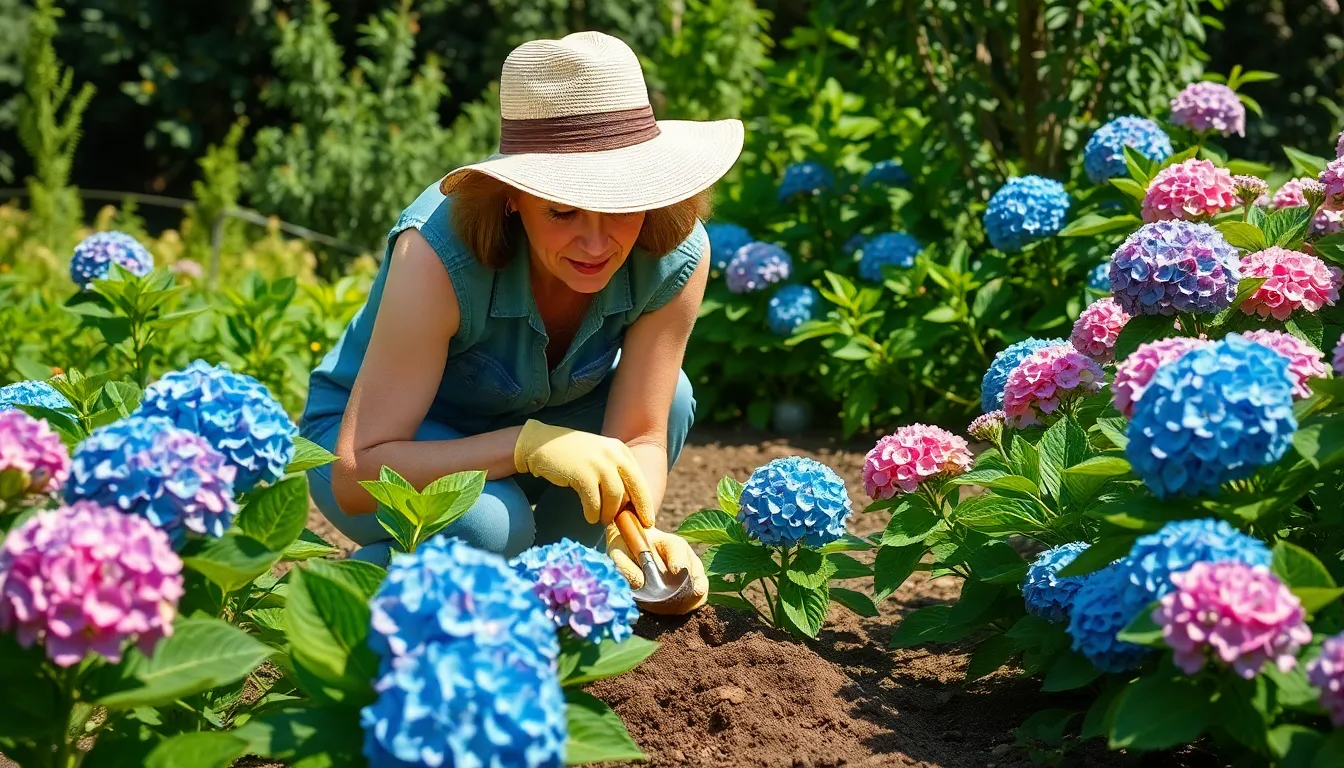
Hydrangeas are like the divas of the garden world, demanding just the right amount of attention to bloom in all their glory. With their lush foliage and vibrant colors, these beauties can transform any yard into a floral paradise. But before diving headfirst into planting, it’s crucial to know a few insider tips that’ll make your hydrangeas the talk of the neighborhood—no pressure!
Hydrangea Planting Tips
Hydrangeas are stunning additions to any garden, with a variety of types and preferences for growing conditions. Understanding their needs ensures successful growth and beautiful blooms.
Types of Hydrangeas
Different types of hydrangeas include mophead, lacecap, and panicle varieties. Mophead hydrangeas showcase large, round flower clusters, while lacecap types feature flat flowers with a distinct center. Panicle hydrangeas are known for their elongated clusters and adaptability to colder climates. Each type presents unique color variations, determined by soil pH, ranging from blue to pink and white. Familiarizing oneself with these options assists in making informed choices for specific garden aesthetics.
Ideal Growing Conditions
Hydrangeas prefer well-draining soil with rich organic matter. Partial shade provides optimal light, particularly in warmer regions, protecting them from intense heat. Moisture is crucial, so consistent watering supports healthy growth. Fertilizing hydrangeas with a balanced fertilizer during the growing season can enhance flowering. Ideal temperatures typically range from 60°F to 85°F. Observing these conditions boosts the chances of lush, vibrant blooms.
Preparing for Planting

Preparing for the planting of hydrangeas involves careful consideration of location and soil conditions to achieve optimal growth.
Selecting the Right Location
Location plays a crucial role in the health of hydrangeas. They thrive in areas with partial shade, receiving morning sunlight and afternoon protection from harsher heat. Good air circulation is important, so placing them away from crowded spaces can enhance their vitality. Ideally, a spot with 4 to 6 hours of sunlight each day promotes flowering. Observing the microclimate helps in selecting the perfect position. Shaded areas may limit bloom production, while overly sunny spots can scorch the leaves. Evaluating existing structures like trees or walls aids in finding the right balance.
Soil Requirements
Soil quality significantly impacts hydrangea growth. Well-draining soil is essential to prevent waterlogging, which can cause root rot. Hydrangeas prefer loamy soil rich in organic matter, so amending with compost improves fertility. Check the soil pH before planting; most hydrangeas thrive in slightly acidic to neutral pH levels, typically between 5.5 and 7.0. Regular testing ensures the pH remains ideal for vibrant blooms. Adding peat moss or pine needles can help maintain the desired acidity. Maintaining consistent moisture during the growing season supports healthy development while avoiding overly saturated conditions.
Planting Hydrangeas
Successful hydrangea planting involves careful timing and technique. These steps ensure strong root growth and vibrant blooms.
Timing for Planting
Spring or fall represents the best times for planting hydrangeas. Early spring allows for root establishment before summer heat arrives. Alternatively, fall planting gives plants a chance to acclimate before winter. Gardeners should avoid planting during extreme temperatures to reduce stress on the plants. Select a day when the soil is moist for optimal planting conditions.
How to Plant
Planting hydrangeas requires specific steps to ensure success. Start by digging a hole twice as wide and as deep as the root ball. Improve the soil by mixing in organic matter, like compost, to enhance drainage and nutrients. Place the hydrangea in the hole, ensuring the root collar sits at or slightly above ground level. Backfill the hole with soil, patting it down to remove air pockets. Water the plant thoroughly after planting to settle the soil around the roots. Mulching around the base helps retain moisture and control weeds, promoting healthy growth.
Caring for Hydrangeas
Caring for hydrangeas involves regular attention to watering and fertilization. Proper techniques ensure these plants thrive and produce stunning blooms.
Watering Guidelines
Hydrangeas require consistent moisture for optimal growth. Watering them deeply once a week promotes root development. During hot, dry spells, increase frequency to maintain soil moisture. Apply water directly to the roots, avoiding splashes on the foliage to prevent fungal diseases. Adjust watering based on soil type; sandy soils may need more frequent hydration, while clay soils retain moisture longer. Mulching around the base conserves soil moisture and regulates temperature, benefiting overall plant health.
Fertilization Tips
Fertilizing hydrangeas plays a critical role in their growth. Use a balanced, slow-release fertilizer in early spring to support the initial growth phase. Aim for products with equal parts nitrogen, phosphorus, and potassium, such as a 10-10-10 formula. Observe the plant’s response, adjusting the amount as necessary. In early summer, a second application of fertilizer can enhance blooming. Avoid over-fertilizing, as it can lead to excessive foliage with fewer flowers. Regular soil testing ensures proper pH balance, leading to beautiful blooms throughout the growing season.
Common Issues and Solutions
Hydrangeas can face various challenges throughout their growing season. Understanding these common issues helps in providing effective solutions.
Pests and Diseases
Pests can pose a threat to hydrangeas, with aphids and spider mites being the most prevalent. Regular monitoring helps catch infestations early. Treatment options include insecticidal soap and neem oil, which are effective and environmentally friendly. Diseases such as powdery mildew often arise in humid conditions. Encouraging good air circulation mitigates these risks. Fungal infections may occur due to overwatering, making it essential to adjust watering practices and ensure well-draining soil. Using properly spaced plants allows for better airflow, reducing disease incidence.
Pruning Techniques
Proper pruning techniques enhance hydrangea health and blooms. Timing is crucial, as different types of hydrangeas require distinct pruning schedules. For example, mophead and lacecap varieties thrive when pruned in late winter to early spring. On the other hand, panicle hydrangeas benefit from pruning in late summer. Use clean, sharp tools to prevent injury to the plant. Aim to remove dead or crossing stems, which encourages new growth and improves shape. Cutting back stems helps promote larger flowers and enhances overall aesthetics. Regular pruning maintains plant vigor and encourages robust blooms in the following seasons.
Conclusion
Planting hydrangeas can transform any garden into a vibrant oasis. By understanding their specific needs and following the right planting techniques, anyone can enjoy these stunning blooms. Proper location selection and soil preparation are crucial for success. Regular care including watering and fertilization will keep hydrangeas healthy and thriving.
Addressing potential pests and diseases through proactive measures ensures the plants remain in peak condition. With the right pruning techniques, gardeners can enhance both the health and appearance of their hydrangeas. Embracing these tips will lead to a flourishing display that captures attention and admiration throughout the growing season.